What is Electronics Connectors and How Do They Work?
Electronics connectors are vital components in modern electronic systems. They enable the connection between various devices and ensure efficient communication. According to a recent report by Technavio, the global electronics connectors market is projected to reach $114 billion by 2025. This growth illustrates the increasing reliance on connectivity in technology.
Dr. Emily Turner, a leading expert in the electronics industry, states, "Electronics connectors are the backbone of ensuring reliable and effective communication in electronic devices." Her insights highlight the importance of these connectors in everything from consumer electronics to industrial applications. As connectivity demands rise, so does the complexity of connector technology.
Despite their significance, many still underestimate the role of electronics connectors. Quality and reliability issues can arise, leading to system failures. Investing in high-quality connectors can mitigate such problems. Understanding how these components function and their impact on technology is crucial for engineers and manufacturers alike.
What Are Electronics Connectors?
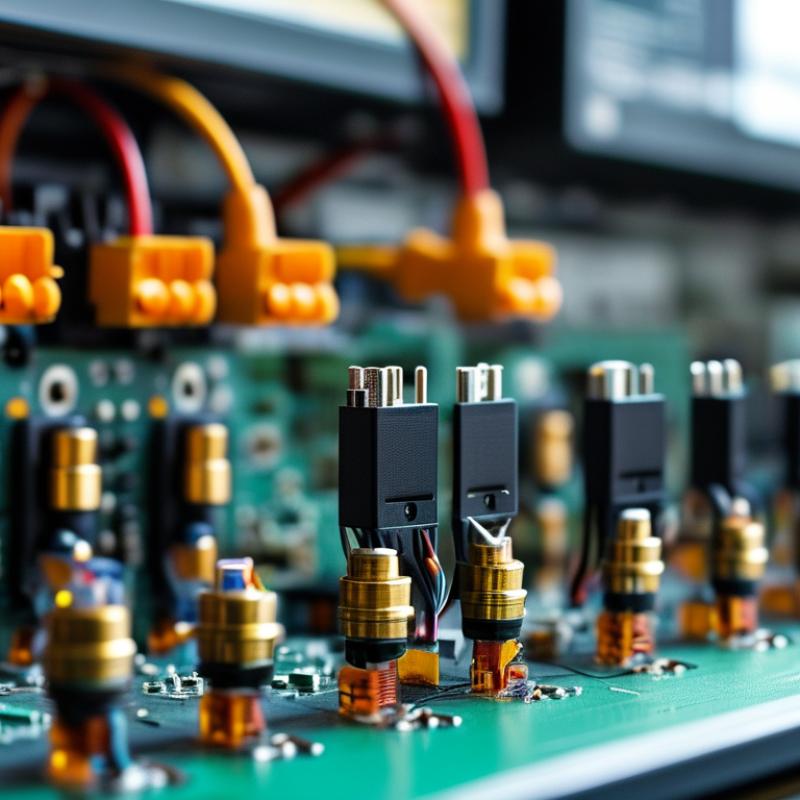
Electronics connectors are essential components in modern electronic systems. They ensure the reliable transfer of signals and power. Various types exist, including plugs, sockets, and adapters. According to a recent study by MarketsANDMarkets, the global electronics connector market is projected to reach $89.07 billion by 2026, growing at a CAGR of 5.5%. This growth highlights their significance in various industries such as automotive, telecommunications, and consumer electronics.
Connectors link different parts of electronic devices, enabling communication and energy flow. For instance, USB connectors are ubiquitous in computers and smartphones. They are designed to support data transfer speeds and charging capabilities. However, not all connectors are built the same. The quality of materials and manufacturing processes can impact performance and durability. Misalignment or lack of proper shielding may lead to signal loss or interference.
Furthermore, with the rise of IoT devices, the variety of connectors is expanding. New designs cater to evolving consumer needs and technological advancements. Yet, with innovation comes challenges. Ensuring interoperability among connectors can be complex. Companies must invest in research for standards that assure compatibility. The connector landscape is dynamic, yet full of opportunities for improvement.
Electronics Connectors Usage by Type in 2023
Types of Electronics Connectors and Their Uses
Electronics connectors are essential components in various devices. They facilitate communication between different electronic parts. Their design and functionality vary widely, catering to specific needs and applications. Understanding the different types can enhance your understanding of technology.
There are several types of electronic connectors, each serving unique purposes. For example, USB connectors are common. They allow data transfer and charging for devices like smartphones and laptops. Another type is the HDMI connector, primarily used in audio-visual equipment. It carries high-definition video and audio signals, enhancing media consumption experiences.
Despite their importance, connectors can be overlooked. Users often underestimate the role of connector quality. Poor quality connectors can lead to malfunctions, affecting performance. Additionally, compatibility issues might arise between some connectors and devices. Always check specifications before making decisions. This attention to detail can save time and frustration.
How Electronics Connectors Function: A Step-by-Step Guide
Electronics connectors play a crucial role in ensuring proper communication between various electronic components. They create secure links, allowing signals or power to flow seamlessly. Understanding how these connectors function can enhance your ability to troubleshoot and repair electronic devices.
To illustrate, let's break down the functioning of an electronics connector. A connector typically consists of two parts: the plug and the socket. When the plug is inserted into the socket, electrical contacts touch, creating a circuit. This interaction can vary significantly based on the type and design of the connector. Poor connections can lead to device failures, highlighting the importance of quality.
Tips: Always check for any signs of wear or corrosion on connectors. Regular maintenance can prevent most connectivity issues. If you notice difficulty in connecting, gently clean the contact points without forcing the connection.
Another critical aspect is compatibility. Different devices may require specific connectors to function correctly. Researching component specifications can save time and avoid frustration. Mismatched connectors can result in degraded performance or damage.
Tips: Use a multimeter to test connections if you encounter problems. It can provide insights into underlying issues. Understanding each type of connector can also prepare you for unexpected repairs. Knowledge is power in electronics maintenance.
What is Electronics Connectors and How Do They Work?
| Connector Type |
Description |
Applications |
Advantages |
Disadvantages |
| USB Connector |
A standard connector for data transfer and power supply. |
Computers, mobile devices, peripherals. |
Universal, easy to use, supports multiple devices. |
Can be damaged easily with frequent use. |
| HDMI Connector |
High-definition multimedia interface for audio and video transmission. |
TVs, monitors, gaming consoles. |
Supports high-quality audio and video. |
Limited to the range of compatible devices. |
| RJ45 Connector |
Network interface connector primarily used for Ethernet connections. |
Networking, internet connections. |
Reliable connection for data networks. |
Can be bulky for smaller devices. |
| DC Power Connector |
Connector used to transfer direct current electrical power. |
Laptops, LED lighting, electronic devices. |
Easy to connect and disconnect. |
Limited to DC applications only. |
| Molex Connector |
Used widely in computer and electronic devices for power connections. |
Computers, hard drives, power supplies. |
Widely used and versatile. |
Can be difficult to connect in tight spaces. |
Key Factors to Consider When Choosing Connectors
When choosing electronics connectors, several key factors must be considered. The type of connector is critical; options range from USB to Molex, each serving different purposes. According to a recent industry report by Research and Markets, the global connector market is projected to reach $100 billion by 2025. This growth reflects the increasing need for efficient connections in various applications, from consumer electronics to industrial automation.
One essential factor is the connector's electrical rating. This includes voltage and current limits. Different applications require different specifications. For example, high-power connectors often need superior insulation. Poor choices can lead to overheating or even failure. Additionally, environmental factors like humidity and temperature should influence your selection. Ensure that the materials used can withstand these conditions without degradation.
Tips: Always verify compatibility with your devices. Review the manufacturer's data sheets for detailed specifications. This can prevent costly mistakes. Also, consider the ease of assembly. Complex connectors may save space but can be difficult to work with.
Remember, connectors might seem straightforward, but the implications of choosing poorly are significant. Ensuring a proper fit for your applications can be challenging. Engage with experienced professionals when in doubt; their insight can help navigate this technical landscape.
Common Applications of Electronics Connectors in Modern Devices
Electronics connectors are critical components in modern devices, facilitating seamless data and power transfer. In smartphones, laptops, and industrial machines, connectors are everywhere, ensuring efficient operation. According to an industry report by MarketsandMarkets, the global connectors market is projected to reach $85.24 billion by 2026, driven by rising demand in sectors like automotive and telecommunications.
Connectors are often overlooked, yet their application is vital. In consumer electronics, connectors like USB and HDMI standards enable communication between devices. In automotive applications, connectors serve essential roles in features like advanced driver assistance systems (ADAS). These applications highlight the importance of reliable connectors. A faulty connector can lead to device malfunctions, affecting the user experience significantly.
Tip: Regularly check connectors for signs of wear. Loose or damaged connectors can cause intermittent failures, impacting overall device performance. Keeping connectors clean and free from corrosion can extend their lifespan. Remember, proper maintenance is crucial.