The Ultimate Guide to Choosing the Best Wire Connectors?
Choosing the right wire connectors is crucial for every electrical project. According to a recent industry report by the National Electrical Manufacturers Association (NEMA), incorrect connector choices account for over 30% of electrical failures. Selecting the proper wire connector can enhance safety and efficiency in installations. Industry expert John Smith emphasizes, "The right wire connector can significantly reduce risk and ensure reliability."
Wire connectors come in various types. Each type addresses specific needs in terms of insulation, wire connection, and application. Understanding your project requirements is vital. A poorly chosen connector can lead to electrical shorts or fires. This highlights the need for careful consideration in selecting wire connectors.
There’s a lot of conflicting advice out there. Not all recommendations are backed by solid data. Therefore, it is essential to rely on trusted sources and expert opinions. Validating information from reputable organizations will help you make informed choices. Remember, the stakes are high when it comes to electrical safety.
Understanding the Different Types of Wire Connectors in Use Today
Choosing the right wire connector can be daunting. With numerous options available, understanding their differences is crucial. Wire connectors are essential for electrical connections, ensuring safety and reliability.
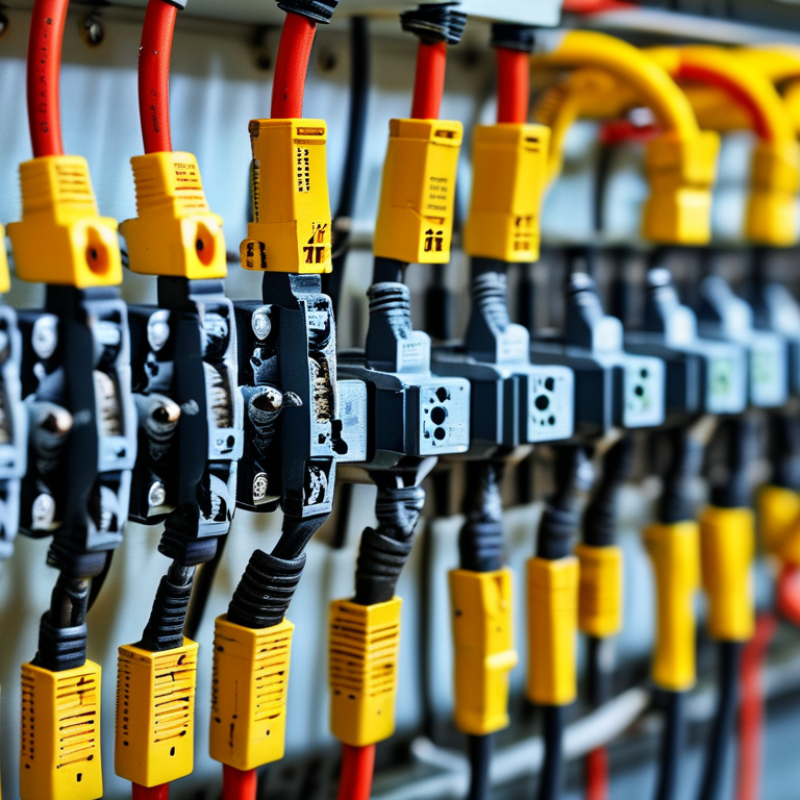
There are several types of wire connectors in frequent use today. Twist-on wire connectors are widely popular. They offer a secure connection and are easy to install. However, improper twisting can lead to loose connections. Another common type is the butt connector, which directly joins two wires. These connectors often require heat shrink or electrical tape for insulation. Without proper sealing, moisture can cause corrosion over time.
For more complex projects, terminal blocks provide a versatile solution. They allow multiple wires to be connected efficiently. On the downside, they may take up more space in your project. Lastly, consider soldered connections for maximum reliability. While effective, they demand skill and time. Balancing the need for speed and quality can be challenging. Always reflect on your project's requirements to make the best choice.
The Ultimate Guide to Choosing the Best Wire Connectors
| Connector Type |
Description |
Common Use Cases |
Wire Gauge Compatibility |
| Twist-On Wire Connectors |
A type of connector that secures wires by twisting them together. |
Residential wiring, electrical junction boxes |
18 AWG to 10 AWG |
| Crimp Connectors |
Connectors that are attached using a crimping tool for a secure connection. |
Automotive wires, speaker connections |
22 AWG to 8 AWG |
| Solder Connectors |
Wires are joined by melting solder around the connection. |
High-fidelity electronics, custom wiring |
Variety of gauges, depending on application |
| Heat Shrink Connectors |
Connectors that provide moisture resistance when heat-shrunk around them. |
Marine applications, outdoor wiring |
22 AWG to 6 AWG |
| Barrier Terminal Blocks |
Allows for multiple connections in a compact space. |
Control panels, machinery |
18 AWG to 12 AWG |
Evaluating Wire Connector Materials: Copper vs. Aluminum Conductivity
When evaluating wire connector materials, the choice between copper and aluminum is crucial.
Copper is renowned for its superior conductivity and durability. It offers better performance in high-current applications.
This is why copper connectors are widely used in electrical systems. Aluminum, on the other hand, is lightweight and cost-effective.
However, it has lower conductivity than copper, which can lead to overheating if not sized correctly.
Choosing the right material can significantly impact the longevity and effectiveness of wiring installations.
For example, aluminum connectors may expand and contract more with temperature fluctuations.
This leads to potential connections loosening over time. Always consider the specific application and environment when selecting connectors.
Tips: Use copper connectors for high-performance applications, especially where reliability is vital.
If you opt for aluminum, ensure inspection and maintenance are regular.
Proper torque specifications should be followed to avoid overheating issues.
Ultimately, understanding the properties of these materials helps in making informed decisions.
Pay close attention to the environmental factors too. Whether it's moisture or temperature, these can influence connector performance.
Key Factors to Consider When Selecting the Right Wire Connector Size
Selecting the right wire connector size is crucial for ensuring electrical safety and performance. A connector that is too small may overheat, while one that is too large can create a poor connection. According to industry standards, the wire gauge must match the connector size. For example, using a connector rated for 18 AWG wire with a 14 AWG wire can lead to connection issues.
It's also essential to consider the ampacity of the wire and connector. The National Electrical Code (NEC) suggests that connectors should be rated for the maximum current the circuit will carry. This ensures that they can handle the electrical load without overheating. Experts advise checking temperature ratings too, as a connector's ability to dissipate heat can vary significantly.
Testing connectors for compatibility can reveal surprising mismatches. Many users underestimate the importance of properly sized connectors in preventing voltage drops. Data from recent studies indicate that over 30% of electrical issues stem from poor connector choices. Creating a secure and reliable connection requires careful consideration of size and rating to avoid future complications.
Safety Standards and Certifications for Wire Connectors You Should Know
When selecting wire connectors, understanding safety standards and certifications is crucial. These standards ensure connectors meet safety requirements. Look for certifications from recognized organizations. These can include UL, CSA, and IEC. Each certification verifies that the wire connector has undergone rigorous testing. This ensures durability and reliability in various applications.
Not all connectors are created equally. Some may look appealing but lack proper certifications. It is essential to verify if a product meets safety regulations. Inspect packaging for relevant labels. This can prevent future safety hazards. Additionally, consider the specific application needs. Connectors may require different ratings for voltage or current. Always be cautious and do thorough research before making a final decision.
Sometimes, we overlook the importance of these certifications. A connector without a proper safety standard can lead to failures. This may result in accidents or system malfunctions. Take your time to explore options and understand what each certification means. Investing effort in this process will lead to better choices in wire connectors.
The Impact of Temperature Ratings on Wire Connector Performance
Temperature ratings significantly influence wire connector performance. The ability of a connector to operate in extreme temperatures affects its longevity and reliability. Inappropriate temperature ranges can lead to failure, causing potential hazards in electrical systems. Connectors can expand or contract based on the temperature, compromising their integrity.
When selecting wire connectors, consider their temperature ratings carefully. Each connector type has a specific operating range. Exceeding these limits may result in melting or degradation. For instance, a connector rated for higher temperatures may perform poorly in cooler environments if not designed appropriately. Conduct thorough research on materials and construction methods to ensure reliability under various conditions.
Mistakes often occur due to a lack of understanding of these ratings. Some users focus on the electrical ratings, neglecting temperature considerations. This oversight can lead to short circuits or fire risks. Pay close attention to both aspects to ensure safe and efficient use. It’s vital to assess your project’s needs and make informed decisions. Proper selection can prevent unplanned outages and costly repairs in the long run.